Best Power Inverters Under $2,500 (2025 Buyers Guide)
Your solar panels charge batteries perfectly. Your generator runs great. But nothing powers your actual appliances—because you’re missing the critical link that converts DC battery power to AC household power that everything actually uses.
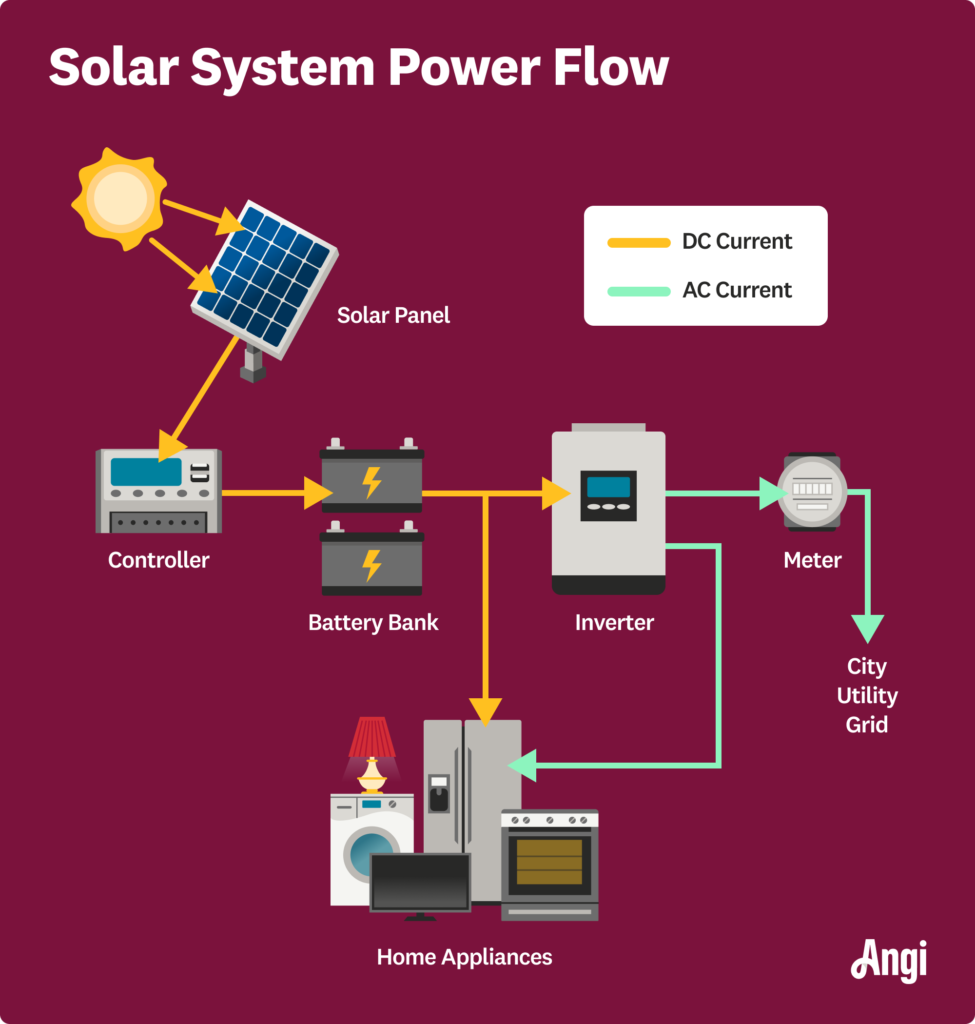
Quality pure sine wave inverters run $614-$2,249—from compact 3000W units for RVs to massive 6000W split-phase systems that power entire homes. [Already have batteries? These inverters make them useful.] Modern inverters include built-in chargers, automatic transfer switches, and 20-year lifespans.
Five proven models reviewed. Different capacities. This guide shows exactly what each powers, surge capabilities, and which matches your off-grid power needs.
Not sure? Most buyers choose the Victron MultiPlus at $1,097 →
Power inverter comparison at a glance:
| MODEL | WATTS | BEST FOR | KEY FEATURE | PRICE |
|---|---|---|---|---|
| AIMS 6000W 48 V | 6000W | Whole Home | Split phase 240V | $2,249 |
| AIMS 6000W 24V | 6000W | Large RV's | 85A charger | $1,998 |
| Victron Quattro | 5000W | Pro Install | Dual AC input | $1,695 |
| Victron MultiPlus | 3000W | RV's/Boats | PowerAssist | $1,097 |
| Renogy | 3000W | Budget Build | Bluetooth | $614 |
🏆 Best Overall: Victron MultiPlus ($1,097) – 401 reviews prove it
🚀 Best Premium: AIMS 6000W 48V ($2,249) – Powers everything
💰 Best Budget: Renogy 3000W ($614) – Great first inverter
Where to Buy: All models ship free from Amazon
Jump to: AIMS 48V | AIMS 24V | Quattro | MultiPlus | Renogy
The 5 Best Power Inverters
⭐⭐⭐⭐ 4.2 (100)
$2,249 Full Price
✓ 120/240V split phase
✓ 18,000W surge capacity
✓ 60A smart charger (In stock)
6000W CONTINUOUS WITH 240V OUTPUT
Powers: Entire off-grid home. Well pumps, AC units, electric ranges. 18,000W surge handles any startup.
Won't Power: Nothing—this is residential-grade
Features: Auto transfer switch, 8 battery types supported
Verdict: True split-phase 240V for heavy appliances. 20+ years in business backs warranty promise.
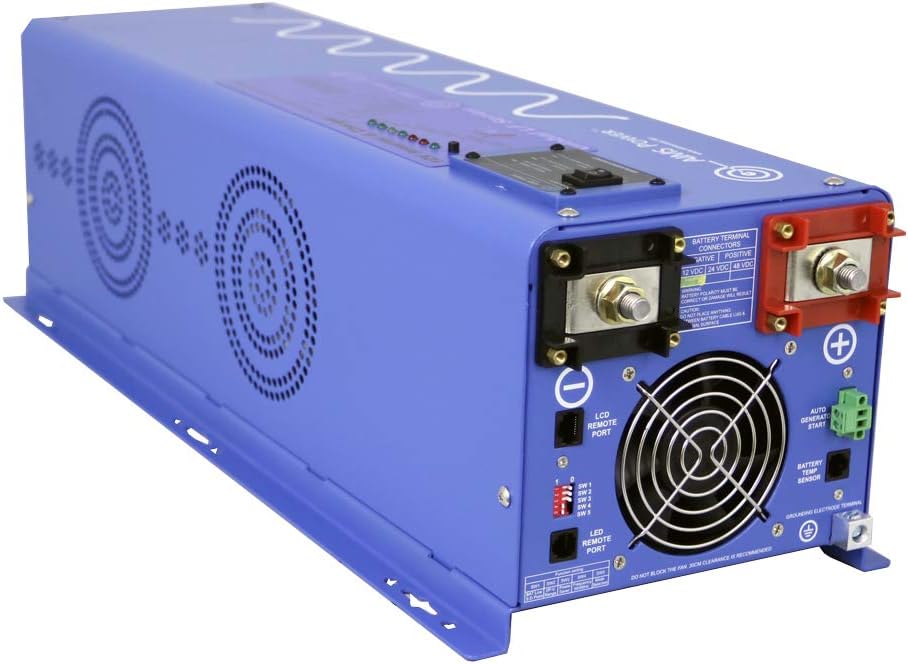

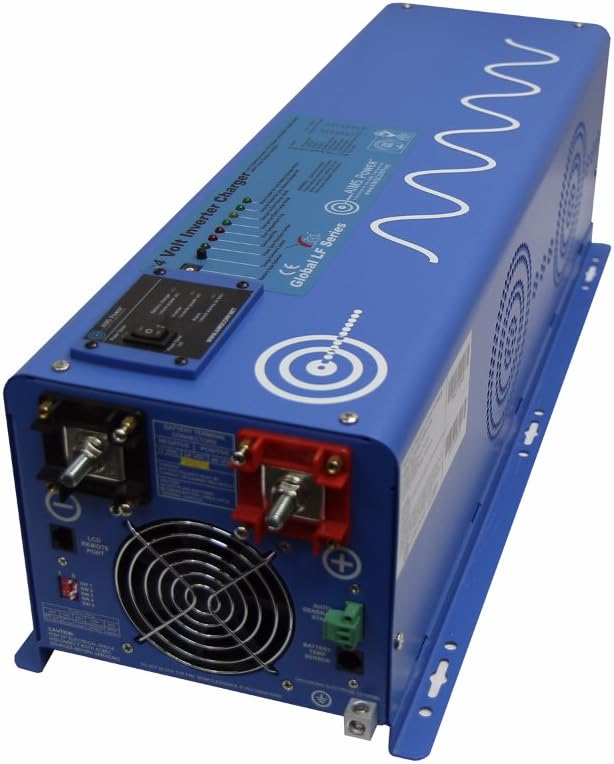
⭐⭐⭐⭐ 4.2 (183)
$1,998 Full Price
✓ 24V efficiency
✓ 85A battery charger
✓ Auto transfer switch
6000W WITH MASSIVE CHARGING
Powers: Large RVs, mobile businesses, food trucks. 18,000W surge starts any appliance.
Won't Power: 240V appliances (120V only)
Features: 85A charger fills batteries fast
Verdict: Most reviewed AIMS model. 24V system uses smaller cables, perfect for RV installs.
Need batteries for your inverter? Check our LiFePO4 battery guide.
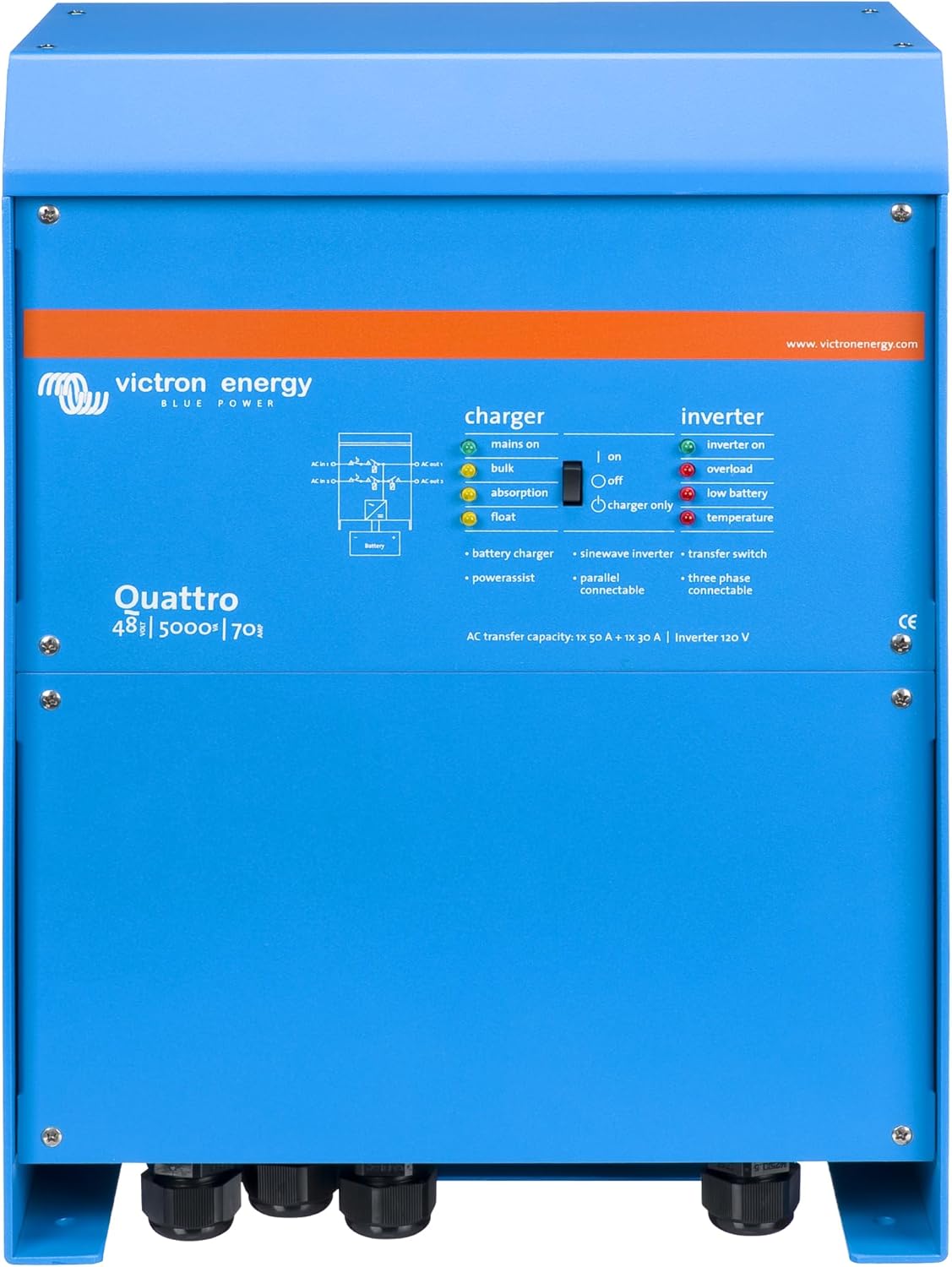
⭐⭐⭐⭐☆ 4.4 (48)
$1,695 Full Price
✓ Dual AC inputs
✓ 70A charger
✓ Remote monitoring
5000W WITH DUAL INPUTS
Powers: 5000W continuous, handles two AC sources (grid + generator). Seamless switching.
Won't Power: Small installations (overkill)
Features: Internet monitoring with GX device
Verdict: When you need pro-grade with dual inputs. Parallel up to 6 units for unlimited power.
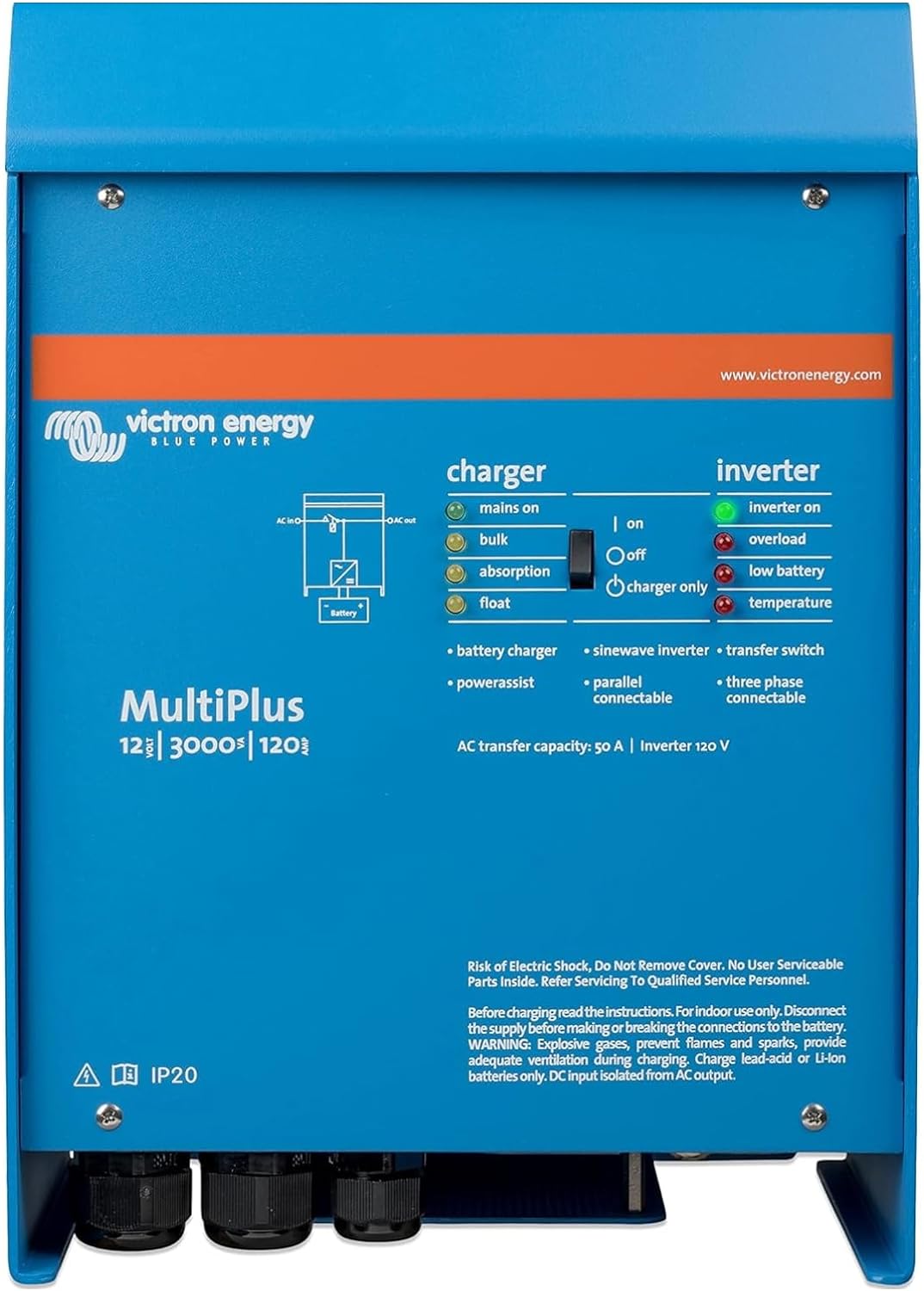
⭐⭐⭐⭐ 4.2 (401)
$1,097 Full Price
✓ PowerAssist technology
✓ 20ms transfer time
✓ True sine wave
3000W WITH POWERASSIST
Powers: RV/boat systems, small cabins. PowerAssist prevents generator overload by supplementing.
Won't Power: Whole homes or 240V
Features: Parallel 6 units for more power
Verdict: 401 reviews make this most-proven. PowerAssist feature is game-changing for limited shore power.
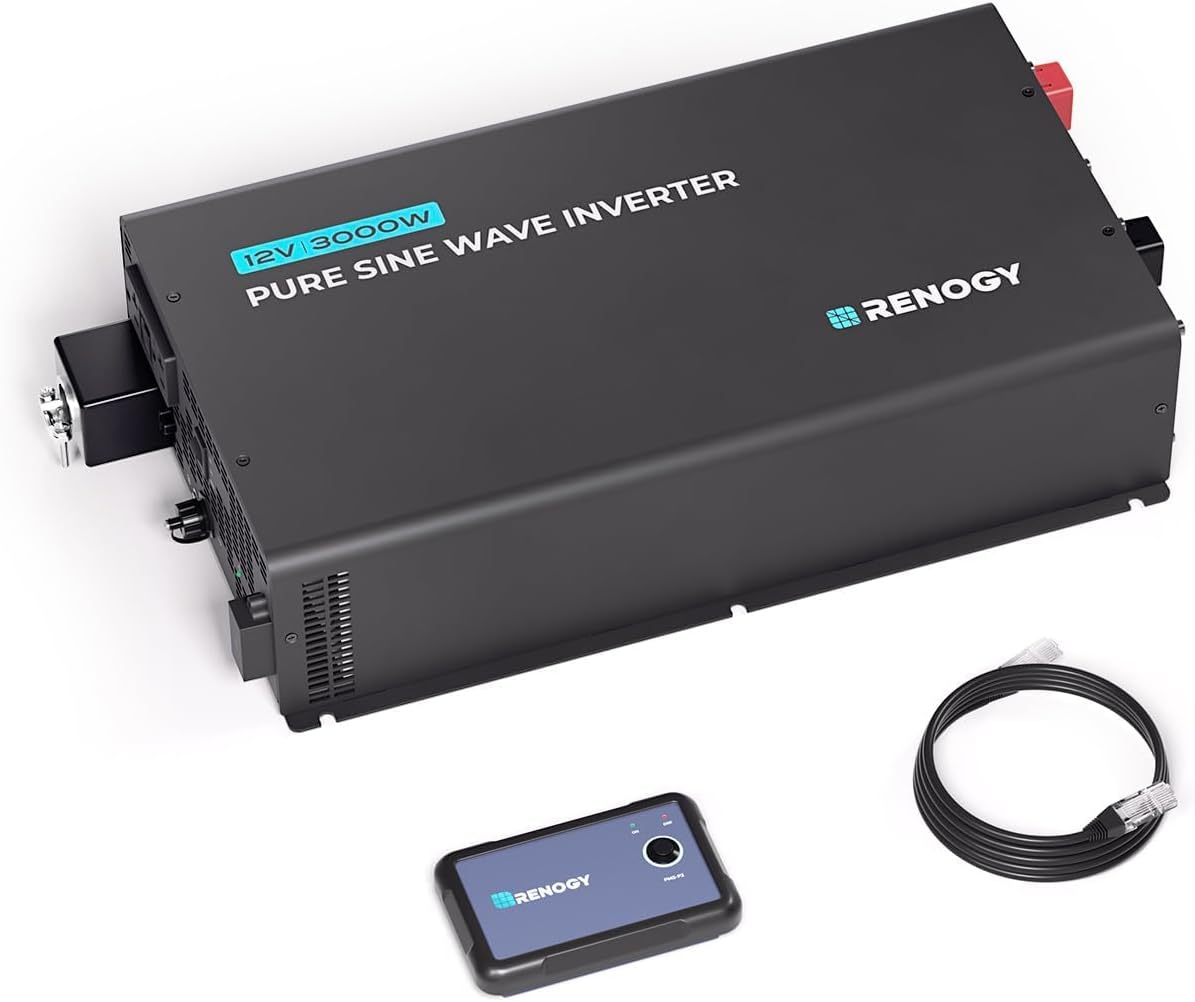
⭐⭐⭐⭐ 4.2 (11)
$849 $614
SAVE $235
✓ Built-in Bluetooth
✓ Ecosleep mode
✓ 16ft remote
3000W WITH BLUETOOTH MONITORING
Powers: Essential loads, RV systems, small off-grid setups. 6000W peak handles surges.
Won't Power: Large homes or continuous heavy loads
Features: <10W idle consumption saves battery
Verdict: Best entry-level with smart features. Bluetooth monitoring usually costs extra. UL certified.
Frequently Asked Questions
Q: What size inverter do I actually need? Add up your loads: Microwave (1500W) + lights (200W) + TV (150W) = 1850W running. But microwave surge is 2500W, so you need 3000W minimum. Rule of thumb: 3000W for RVs, 5000W+ for homes.
Q: Why are these so expensive vs modified sine wave? Pure sine wave protects electronics. Modified sine damages motors, makes buzzing, reduces efficiency. These last 20+ years—cheap ones last 2-3. Pay once, cry once.
Q: Do I need 12V, 24V, or 48V? Higher voltage = smaller cables and better efficiency. 12V for small RVs, 24V for large RVs, 48V for homes. Must match your battery bank voltage.
Complete your power system with our guides on solar panels, LiFePO4 batteries, and portable power stations.
*Affiliate Disclosure: We earn commissions when you purchase through our links (Amazon Associates, AWIN, CJ Affiliate) at no extra cost to you. Our recommendations are based on research, not commission rates. Prices current as of publish date and subject to change.